Your blog post
Is Energy Talk that Boring? Why then is it Costing You???
3/4/2026
Energy talk often gets a bad rap for being mundane or overly technical, yet it wields immense power over our finances and daily lives. You may find yourself asking, "Is energy talk that boring?" If so, why are you still incurring those energy costs? The truth is, while the consumption of energy may be invisible and the numbers on your bill may be abstract, the impact on your wallet is all too tangible.
Understanding the Invisible Costs
Energy Usage is Invisible, So is Energy Waste.
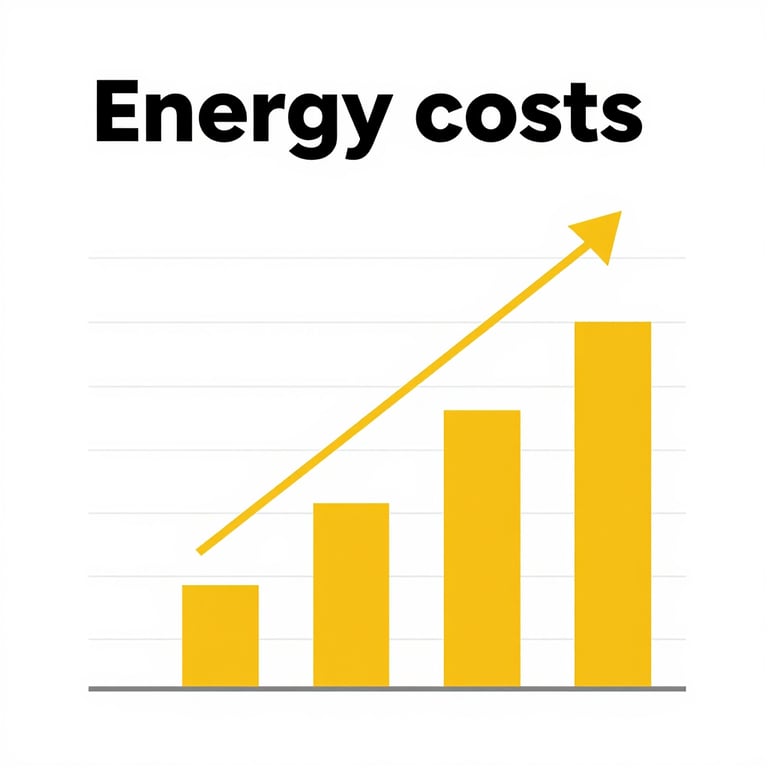
One primary reason energy discussions can seem dull is that the effects of energy consumption are often not directly visible in our day-to-day experiences. Unlike other expenses, such as groceries or entertainment, energy is typically consumed anonymously; you flick a switch, and the light turns on, but you may not immediately perceive the costs associated with that action. Additionally, unless you’re tracking every watt consumed, it’s easy to overlook how small actions accumulate to significant expenses.
These invisible costs may lie dormant in your monthly bills, manifesting as charges that gradually escalate over time without your awareness. As appliances age, they often become less efficient, leading to higher energy usage and, ultimately, a fatter bill. When it comes to energy, ignorance is not bliss; it can lead to unnecessary financial burdens.
Bringing Visibility to Energy Consumption
To combat the invisible nature of energy costs, the first step is to create visibility in your energy usage. Awareness is key. Here are several methods to bring clarity and control to your energy consumption:
1. Monitor Your Usage: Invest in a smart meter or a home energy monitoring system. These devices will provide real-time data on your energy consumption, allowing you to identify trends and adjust your habits accordingly.
2. Understand Your Bill: Take the time to read and understand your energy bill. Familiarize yourself with the terms and make a note of varying charges each month. Look for any spikes in usage and investigate the cause.
3. Identify Key Appliances: Recognize which appliances consume the most energy. Often, heating and cooling systems, refrigerators, and water heaters are the biggest culprits. Knowing this can help you target your efforts effectively.
4. Track New Purchases: Every time you buy a new appliance, consider its energy efficiency rating. The initial cost might be attractive, but an energy-hungry appliance can lead to increased bills over time.
Behavioral Changes for Energy Efficiency
With stunning clarity into how and where you spend your energy, the next step is to adopt behavioral changes that will foster energy efficiency in your residence:
- Implement Small Changes: Simple adjustments like unplugging devices when they're not in use, using energy-efficient light bulbs, or adjusting your thermostat by a few degrees can lead to noticeable savings.
- Establish Energy-Saving Routines: Create habits that prioritize energy conservation. For instance, you could develop a routine of checking energy usage weekly, or having 'no energy use' hours where everything unnecessary is turned off.
- Create Awareness In Your Home: Encourage family members to be conscious of energy use by discussing bills openly, sharing tips on efficiency, and even engaging in friendly competitions to see who can save the most energy.
Keeping Attentive Eyes on the Bottom Line
Finally, staying vigilant about bills and usage is paramount. Track changes in your energy consumption and the corresponding costs monthly. You might even want to plot this data over time to visualize any patterns or irregularities. This attentiveness will not only save you money in the long run but will also cultivate an environment where energy conversations become part of your daily life—not a chore to be avoided.
Conclusion: The Flip-side of Problems is Solutions
Despite the notion that energy talk might seem tedious, it is crucial to recognize that addressing the invisible costs of energy consumption entails transforming our behaviors and attitudes toward it. By shedding light on the issues that increase our bills and adopting proactive strategies to mitigate them, we empower ourselves to make informed decisions. Illumination comes from understanding—both the hidden costs and the ways to save.
Ultimately, engaging with energy talks isn’t just about understanding how much energy you consume; it’s about taking control of your finances, your environment, and your future financial sustainability. So while the talk may indeed seem boring, the implications for your budget and lifestyle are anything but.