
SMART METERING & MONITORING
Smart Metering and Monitoring
Energy smart metering and monitoring play a crucial role in enhancing energy efficiency and sustainability. These technologies allow for real-time tracking of energy consumption, enabling businesses to identify trends and make informed decisions about their energy usage. The benefits of implementing smart metering include reduced energy costs, improved operational efficiency, and a lower environmental impact. Moreover, the Energy and Petroleum Regulatory Authority (EPRA) has mandated that commercial entities adopt smart metering to promote accountability and transparency in energy consumption. This requirement ensures that businesses actively engage in energy management practices. By storing smart data in the cloud, decision-makers can access detailed analytics and reporting tools that support evidence-based strategies for reducing waste and optimizing energy usage across operations. This strategic approach not only benefits individual companies but also contributes to a more sustainable future for all.
What are Smart Meters and how do they work?
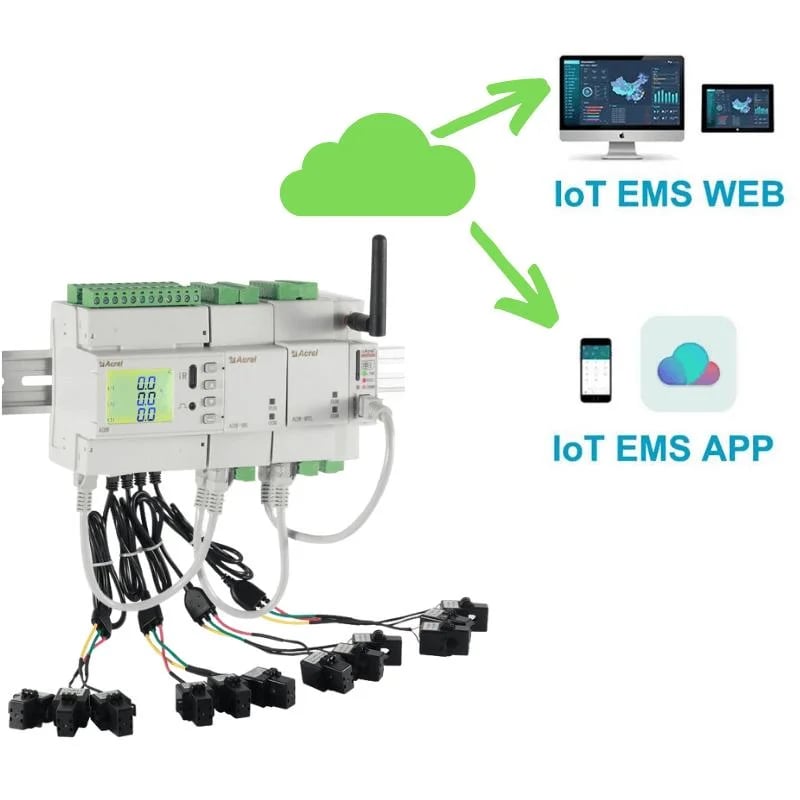
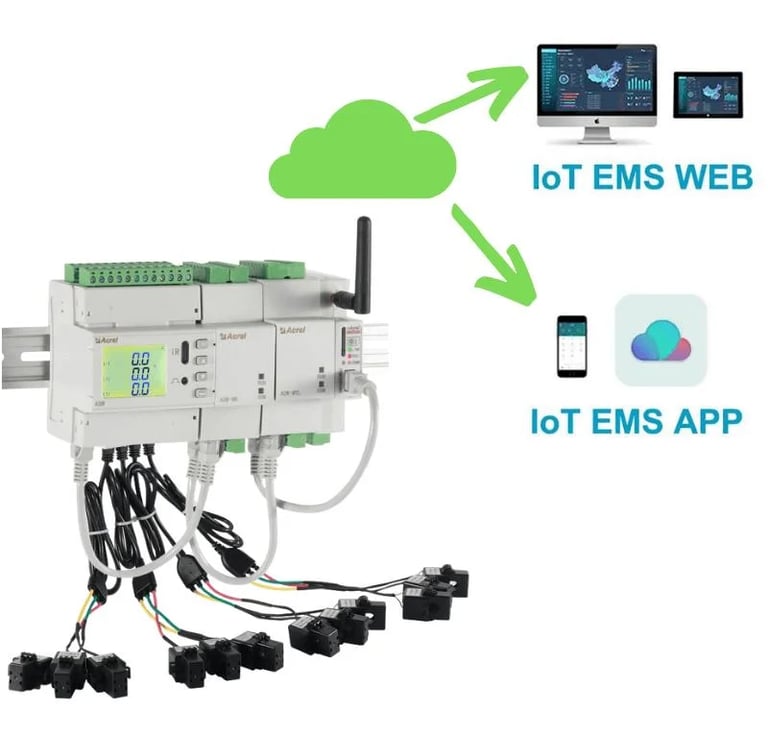
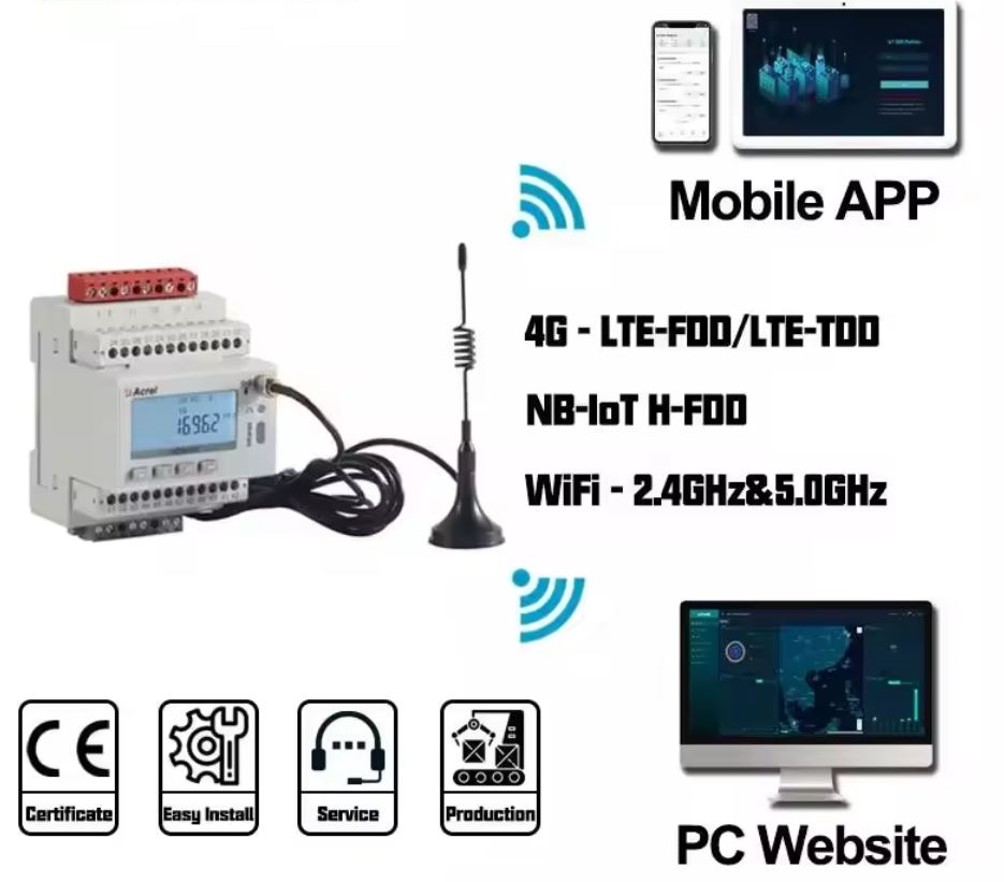
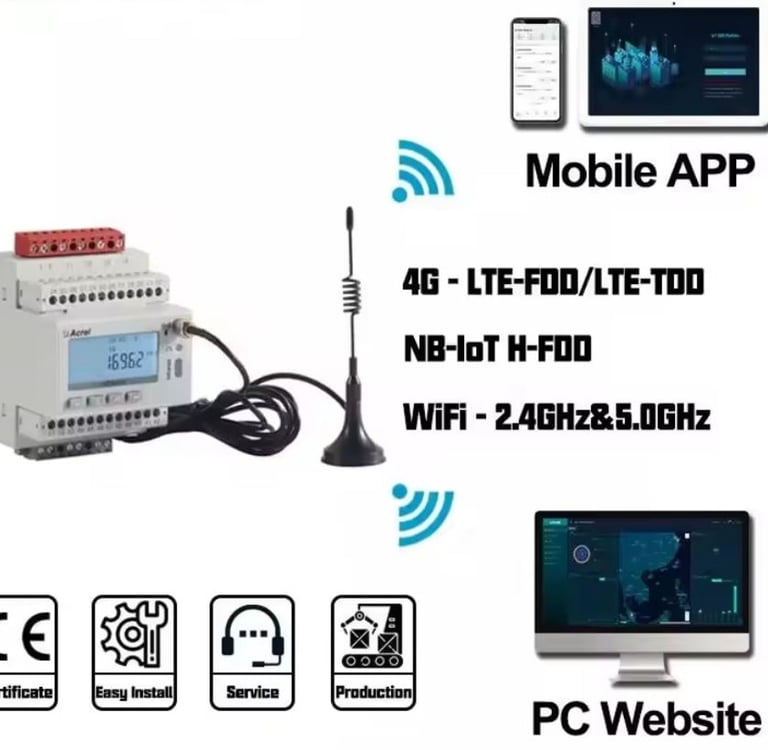
A Smart Meter doesn’t only measure consumption, but is equipped with functions that are smart, or advanced. These features enable the meter to send data and receive information in real time. This has several benefits, for end consumers (individuals or businesses), for energy suppliers, and for the grid as a whole. In particular, as we will see, Smart Meters help users monitor consumption in more detail and thus make more informed choices.
Smart Meters are tools that use IoT (Internet of Things) technology to remotely measure and manage electricity, water, gas or heat consumption. The most relevant technological aspect of the latest generation of digital meters is that they are always connected and are therefore able to provide data and to be queried constantly, through a two-way channel.
Clarice Turner
Smart Metering and energy efficiency
Thanks to their characteristics, Smart Meters are an essential tool for reducing waste and improving energy efficiency, optimizing the use of resources, both for end consumers and for the grid as a whole.