What you need to know about your ELECTRICITY BILL
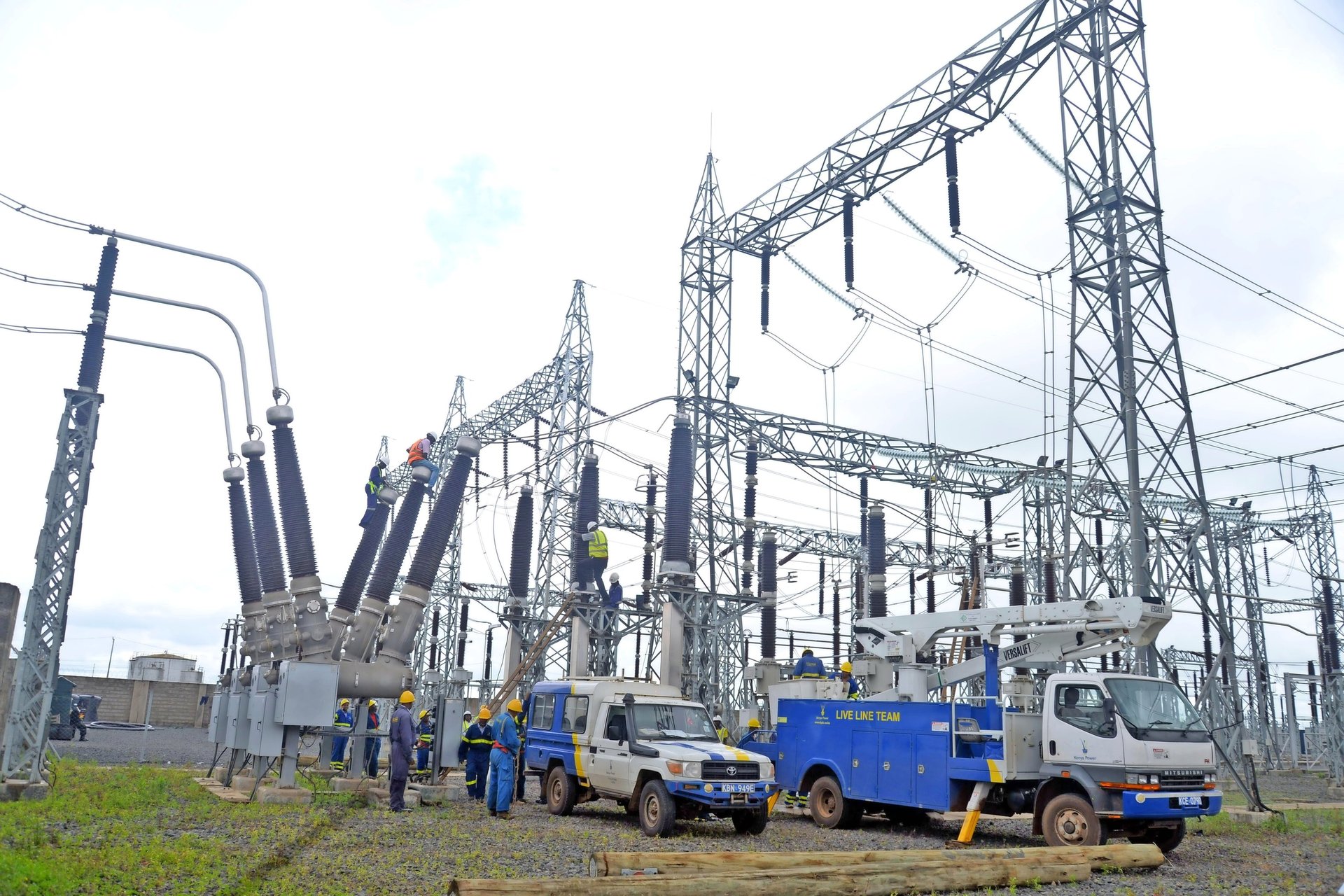
The current state of energy in Kenya is characterized by ongoing efforts to enhance efficiency, reliability, and sustainability in the energy sector. As of 2023, Kenya's energy landscape has made substantial strides towards improving access to electricity, integrating renewable sources, and implementing regulatory frameworks aimed at managing energy consumption effectively.
The Energy and Petroleum Regulatory Authority (EPRA) plays a pivotal role in regulating the energy sector in Kenya, overseeing the generation, distribution, and billing processes through Kenya Power and Lighting Company (KPLC). The billing mechanism employed by KPLC is designed to reflect consumers' actual energy consumption, assessment of service fees, and other applicable charges, structured into various components to provide clarity and transparency to the end-users.
Understanding KPLC Billing Fundamentals
When consumers receive their electricity bills, these typically include several fundamental components:
1. Energy Charges: This is the main charge based on the kilowatt-hours (kWh) consumed during the billing period. For residential consumers, the first 50 kWh is usually billed at a lower rate, and the rate progressively increases with higher consumption brackets.
2. Fixed Charges: A standard charge applied to all customers, irrespective of their energy usage, which covers the costs associated with maintaining the connection.
3. Fuel Cost Charge (FCC): This charge fluctuates according to the fuel prices utilized for electricity generation. It reflects the ongoing costs of generating electricity which, depending on market conditions, can significantly impact the total bill.
4. Foreign Exchange Charge (FEC): This charge accounts for fluctuations in currency exchange rates which affect costs on imported goods and services crucial for electricity generation and distribution.
5. Value Added Tax (VAT): Standard VAT applied to electricity services, typically at a rate of 16% in Kenya, is also included in the total bill.
6. Lifeline Tariff: For low-income households, this is a subsidy designed to make electricity more affordable, allowing consumption of a specific quota at a reduced rate.
Abbreviations in the KPLC Bill
The KPLC bill often includes several abbreviations that consumers should understand:
- kWh: Kilowatt-hour, a measure of energy consumption.
- FCC: Fuel Cost Charge.
- FEC: Foreign Exchange Charge.
- VAT: Value Added Tax.
- CSP: Customer Service Provider, referring to the entity responsible for handling customer inquiries and issues.
New Regulations on Energy Management Systems
In 2023, EPRA introduced new regulations focusing on energy management systems (EMS) for commercial facilities consuming above 180,000 kWh annually. This regulation mandates that such facilities implement comprehensive energy management protocols to monitor and optimize their energy use. The key objectives include enhancing energy efficiency and reducing overall energy consumption while lowering operational costs.
Organizations are required to report their energy consumption, implement energy audits regularly, and submit compliance documentation to EPRA to demonstrate adherence to these standards. Failure to comply with these regulations can result in significant penalties, which EPRA is poised to enforce rigorously to promote responsible energy practices.
Penalties for Non-Compliance
The penalties for non-compliance with EPRA’s energy management regulations can vary, but generally entail fines calculated against the energy consumption levels of the facility. Persistently failing to meet the requirements can lead to more stringent punitive measures, potentially including disconnection from the power supply.
EPRA Tariffs
The tariffs set by EPRA are crucial in determining the energy costs for both residential and commercial consumers. The tariffs are designed based on a cost-reflective model, encompassing all operational and infrastructural costs, encouraging energy conservation among users. The residential tariff structure is tiered to support low-income households, while commercial tariffs reflect higher usage levels and broader service commitments. EPRA continually reviews these tariffs to ensure that they align with economic conditions, inflation rates, and shifts in energy generation sources, particularly as Kenya aims to transition towards a more renewable-centric energy mix.
In conclusion, the energy sector in Kenya is on an upward trajectory, driven by regulatory frameworks that advocate for better management practices and sustainability. The management of energy consumption, transparent billing structures by KPLC, adherence to regulatory protocols by EPRA, and responsible water resource usage guided by WARMA highlight a comprehensive approach to smart energy use in the country.
Regulation by WARMA on Borehole Metering
In a complementary effort towards sustainable resource management, the Water Resources Authority (WARMA) has issued new regulations regarding the metering of abstraction from boreholes. According to the existing legislation, all borehole operators are required to install flow meters to monitor usage accurately. Article 32 of the 2016 Water Resources Management Regulation states:
"All borehole abstractions shall be measured with suitable measuring devices, and the results reported to the Authority periodically."
This regulation aims to manage and mitigate the over-extraction of water resources, ensuring sustainability in water use, particularly in urban areas where demand is rising significantly.