Commercial Energy Management
Commercial Energy Management
Commercial energy management encompasses the careful planning and supervision of energy usage in commercial structures. By adopting effective strategies for energy management, companies can enhance their energy efficiency, substantially lower operational expenses, and lessen their environmental footprint.
Froid categorizes a building into 5 segments
1. Kitchen - Refrigerators, freezers, cold rooms, extractor fans, electric cookers, and ovens & extractor fans
2. Rooms - HVAC systems - Air conditioning and ventilation
3. Pump room - Motors & pumps and R.O. plant
4. Laundry room and boiler system - Washing machines, calendar machines, dryers
5. Behavioral change
Integrating all these segments into the energy management plan, where each segment includes its own distinct set of actionable solutions, can often be a significant game changer.
Strategies of an Effective Commercial Building Energy Management
The rising cost of utilities and the focus on sustainability has made energy management a priority for facility managers in East Africa and globally. Commercial buildings use almost 40% of total urban energy, so energy management systems are an operational necessity. Inefficient energy use can increase costs by 20-30% and impact profitability. Commercial energy management also improves tenant satisfaction and ensures regulatory compliance.
Modern systems utilize technologies and data analytics to reduce energy use without compromising comfort. This guide explores seven strategies for achieving utility savings while maintaining performance.
1. Implement Advanced Building Automation Systems


Optimize HVAC Systems and Controls


Building automation systems (BAS) serve as the backbone of any effective commercial building energy management strategy. The smart systems incorporate controls, lighting, and security systems of the HVAC and other functions in the building into a single platform through which they can respond to changing environmental conditions and be monitored in a real-time manner. Current-day BAS platforms can make use of machine learning programs to discover usage history, anticipate machine maintenance issues, and dynamically alter settings to reduce energy wastage when no one is present.
Deploy Comprehensive Energy Monitoring and Analytics
HVAC systems account for 40-50% of energy use in commercial buildings, presenting a major opportunity for savings. Optimizing these systems involves improving equipment efficiency and operational strategies. Variable frequency drives (VFDs) can reduce energy consumption by 30-50% while extending equipment life.
Operational adjustments can lead to significant savings without new equipment. Utilizing broader temperature dead bands can reduce HVAC operation without compromising comfort. Proper commissioning and regular rebalancing ensure efficient air distribution, while economizer cycles can leverage outside air to reduce cooling loads.
Integrating predictive maintenance into energy management systems improves HVAC efficiency. Sensors tracking pressure, refrigerant charge, and motor current help detect performance issues early, reducing energy waste and unexpected service costs. Neglected maintenance tasks can reduce efficiency further, highlighting the need for proactive care.
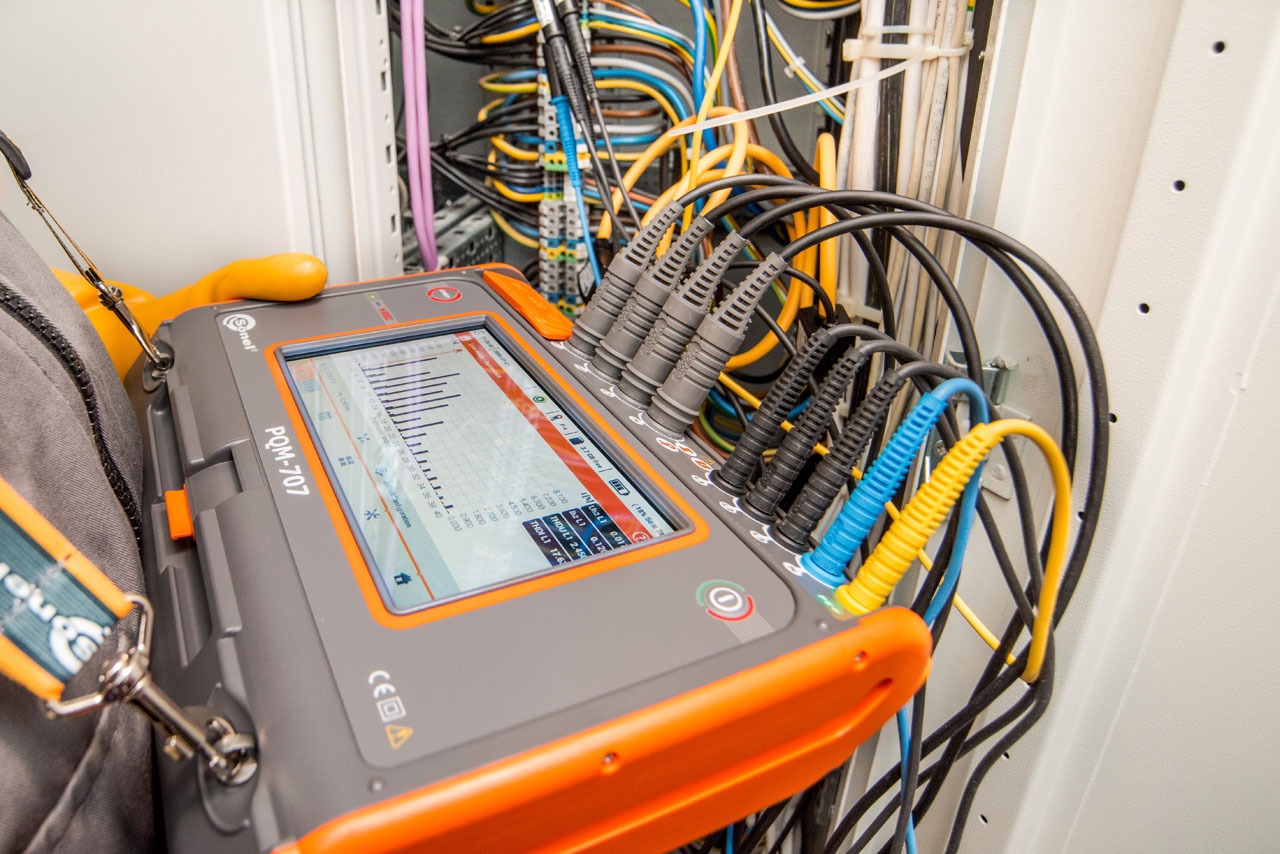
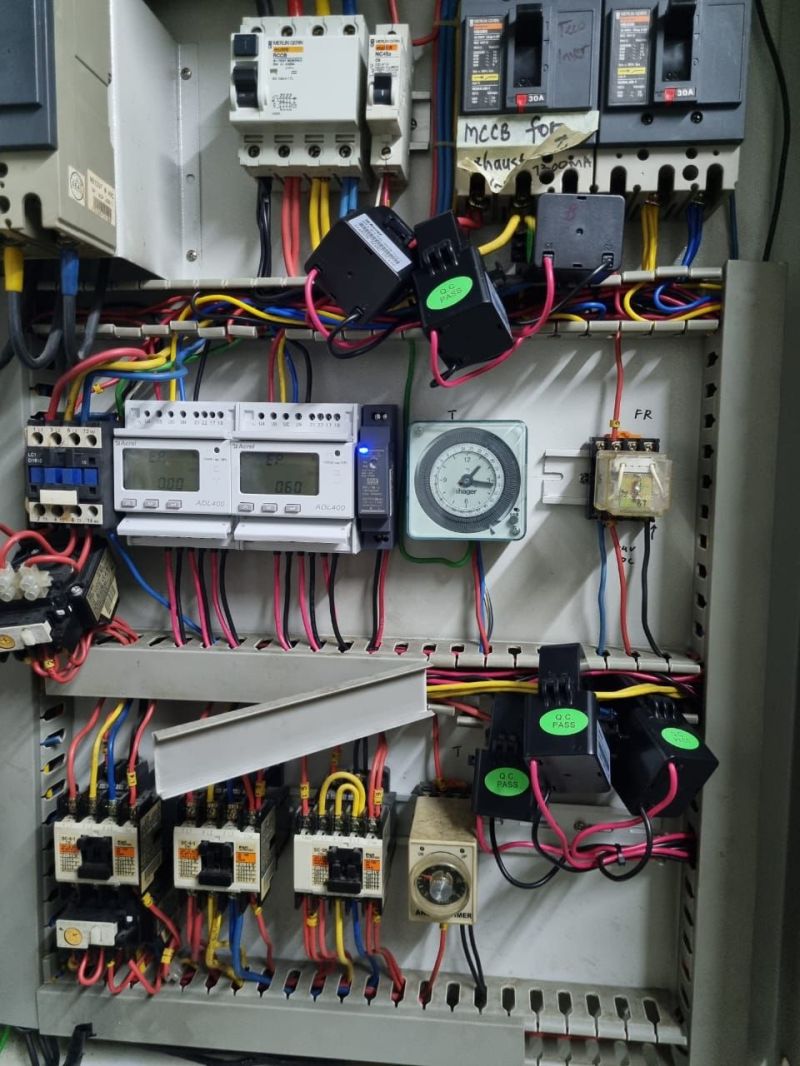
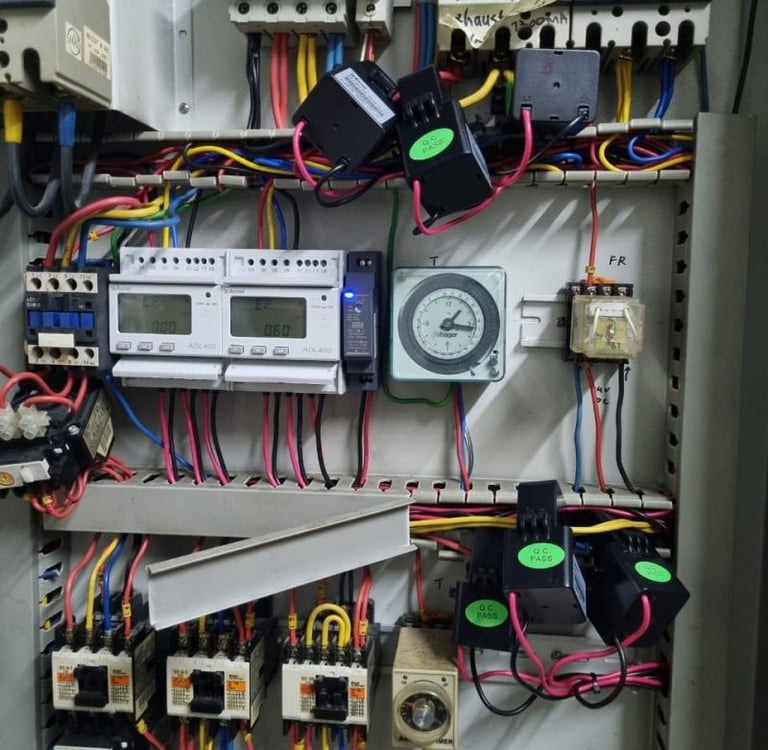
You cannot control what you can not quantify. Deploying granular energy monitoring throughout commercial facilities provides the visibility necessary for effective commercial building energy management. The complex metering infrastructure (AMI) allows the deformed data one to measure that is still at the circuit level, showing consumption patterns that are obscured by aggregate utility billing. The rich information enables the facility managers to identify aberrations, compare performance with historical or comparable facilities and measure the effect of change of operations or efficiency investments.
The current analytics systems process raw metering data into useful information with the help of advanced algorithms that extract waste, inefficiency, and the possibilities of process improvement. Machine learning models are able to form baseline consumption trends of various operational states, automatically identifying anomalies that could represent some kind of equipment failure, control system failure, or operational wastefulness. Visualization dashboards display complex data in understandable formats that allow rapid understanding and evidence-based decision making, making the management of energy easier than the interaction with technical expertise of special staff.
The quality of power problems and low power factor have a direct effect on the cost of energy and performance of equipment in business applications. Disturbances in harmony, alternating currents, and reactive power demand augment losses at the distribution systems, equipment strains, and may prompt utilities fines. The equipment that corrects power factor – Capacitor banks or active harmonic filters have the ability to cut reactive power demand, which can result in a decreased utility bill of 5-15% and a higher voltage stability plus equipment is able to run longer.
Energy management systems commercial buildings should incorporate power quality monitoring to identify issues before they escalate into expensive problems. Variable frequency drive harmonic distortion, IT equipment harmonic distortion, and LED lighting harmonic distortion may be above acceptable levels in current facilities unless addressed in the design of the infrastructure or through filtering. Sags and swells of voltages put a load on sensitive equipment, hastening the wear and tear of the equipment. Extensive power quality testing can help diagnose the following problems and implement the right mitigation measures.
Uninterruptible power supply (UPS) systems, and backup generation are also other types of consideration that commercial facilities that have serious reliability needs. Although these systems are beneficial because of continuity in times of utility failures, they also pose considerable amounts of energy consumption as well as areas of potential efficiency potential. In all its best operating conditions, modern high-efficiency UPS systems are 97-99% to 85-90% efficient than older equipment, which can save significant facilities with continuous critical loads.
Implement Power Quality and Power Factor Correction Solutions